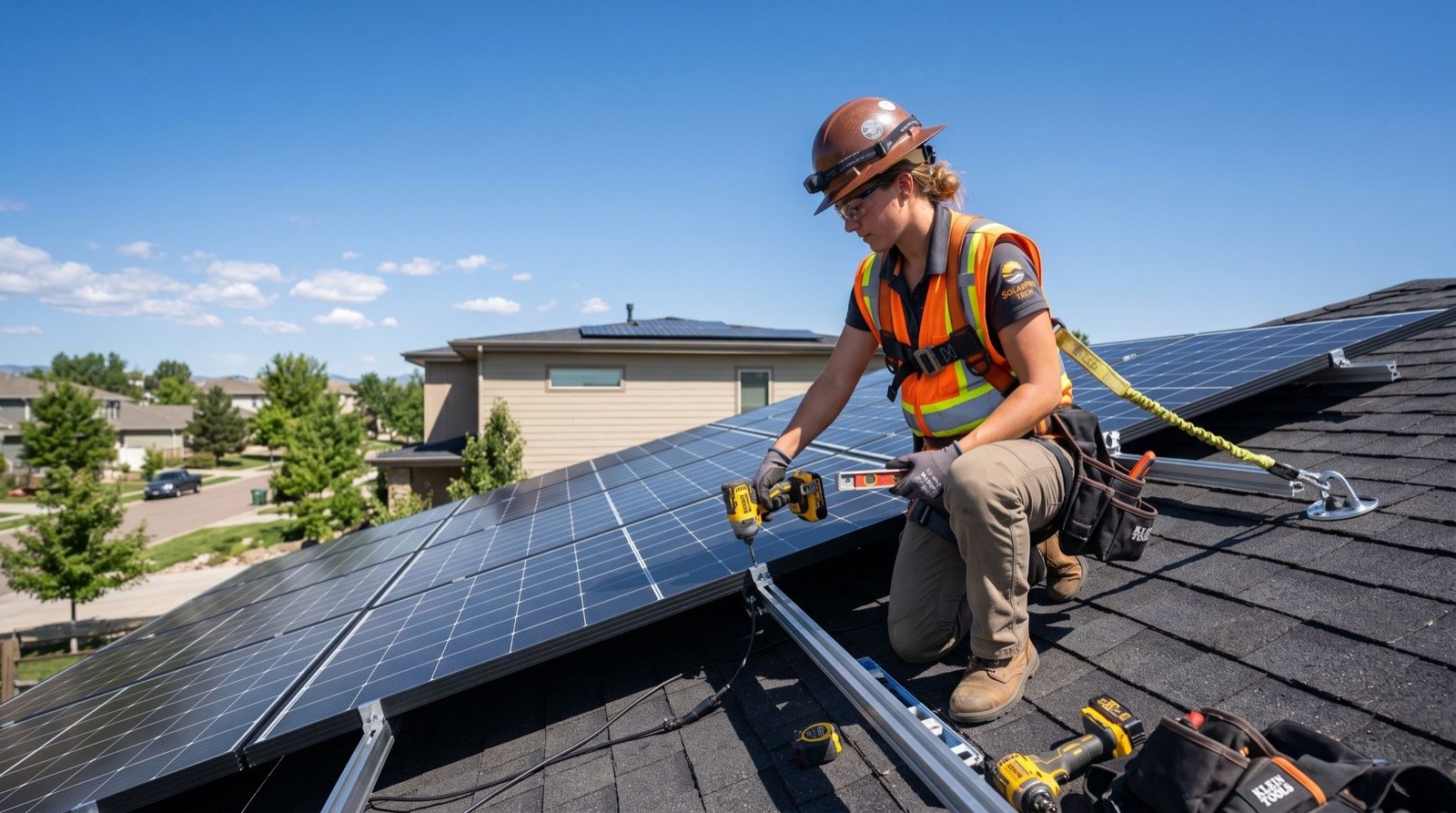
Planning a rooftop system in 2026? The smartest money you spend is not on panels, it is on preparation. Choosing a reliable solar company in Karachi helps, but even the best installer cannot fix a leaking roof, a shaded corner or an overloaded distribution board in a single afternoon. This roof preparation checklist shows what to sort out before the first panel arrives.
Karachi homes face unique conditions: salt-laden sea air, strong summer winds, dust and flat concrete roofs that double as water tank platforms. Each one affects how you plan a solar installation. Let us walk through them step by step.
Why Roof Preparation Matters for Solar in Karachi
A solar system is a 25-year commitment. Panels are warranted for decades, yet most early failures come from the surroundings: corroded mounting hardware, water seepage around anchor points or cables running through damaged conduit.
Preparing the roof first lowers the risk of rework. It also keeps your quotation accurate, because the installer prices what is actually on the roof rather than guessing.
Step 1: Inspect the Roof Surface and Waterproofing
Start with the basics. Walk the roof in daylight and look for cracks, ponding water and old bitumen sheets that have lifted.
- Fix cracks and re-apply waterproofing before mounting begins, because drilling afterwards is far harder to seal.
- Check the parapet wall height. Low parapets increase wind exposure for the array.
- Confirm the slab can carry extra load. Panels are light, but ballasted frames add weight.
- Clear old antennas, abandoned dish mounts and rusted water pipes.
Practical tip: take dated photos of the roof before work starts. If a dispute arises about leakage later, you will have proof of the original condition.
Step 2: Map Shade Before You Choose System Size
Shade is the silent thief of solar output. Even a small shadow over one panel can reduce the entire string unless you use optimisers or micro-inverters.
Check the roof at 9 am, 12 noon and 3 pm. Common shade sources in Karachi include neighbouring high-rises, water tanks, staircase mumties and tall trees.
Where should panels face in Pakistan?
In the northern hemisphere, panels face true south. For Karachi at roughly 25 degrees north latitude, a tilt of about 20 to 25 degrees captures the most energy across the year. A flat roof lets you set that tilt with simple galvanised or aluminium frames.
Step 3: Choose Mounting Hardware Built for Coastal Air
Salt air is hard on metal. Cheap, thin-coated steel can show rust within two seasons. Ask for hot-dip galvanised steel or anodised aluminium, and stainless fasteners.
Wind is the other concern. Frames should be anchored to the slab, not merely weighted down, particularly on upper floors where gusts are stronger. A good installer calculates wind loading instead of relying on rule of thumb.
Step 4: Check Your Electrical Readiness
The roof is only half of the story. Your main distribution board, earthing and cable routes matter just as much.
- Inspect the main breaker and busbar for heat marks or loose terminals.
- Verify that earthing resistance is within a safe range, and add a dedicated earth pit for the array if needed.
- Plan a cable route that avoids sharp edges and direct sun exposure, using UV-rated conduit.
- Reserve space near the main board for the inverter, ideally in a shaded, ventilated spot.
- Install surge protection on both DC and AC sides, since Karachi sees frequent voltage spikes.
Roof Readiness Checklist at a Glance
| Item | What to Check | Typical Fix |
|---|---|---|
| Waterproofing | Cracks, ponding, lifted sheets | Re-coat before drilling |
| Shade | Tanks, mumties, nearby buildings | Relocate array or add optimisers |
| Mounting | Rust, anchor strength | Galvanised frames, stainless bolts |
| Earthing | Resistance, pit condition | New earth pit and lightning arrestor |
| Cable path | Heat, sharp edges | UV-rated conduit, protected bends |
| Cleaning access | Safe walkway, water point | Add a ladder and a tap |
Step 5: Plan for Cleaning and Maintenance Access
Dust from construction and sea breezes settles quickly on glass. Output can drop by 10 to 20 percent when panels go uncleaned for weeks. Leave a walkway between rows and a nearby water point so cleaning is not an ordeal.
Early morning is the best time to clean, as the glass is cool and water will not leave spots. Use a soft brush and plain water, never harsh chemicals.
Step 6: Compare Quotes and Buy Quality Equipment
Once the roof is ready, collect at least three quotations. Compare brand, wattage, warranty and inverter specification rather than the headline price only. If you would rather buy solar panels in Pakistan from a supplier that lists specifications openly, check that datasheets, performance warranties and delivery terms are clearly stated.
Look for Tier-1 manufacturers, a 12-year product warranty and a 25-year linear power warranty. The Pakistan Alternative Energy Development Board offers guidance for the sector, and our reading list includes AEDB resources. Neighbours who have recently installed can also be valuable references, and quality service providers in any trade tend to share the same trait: they document their work clearly.
Common Roof Mistakes to Avoid
Over the years, the same errors appear again and again on Karachi rooftops. Spotting them early saves money and stress.
- Placing panels directly beside a water tank, then discovering the tank shades them every afternoon.
- Drilling through waterproofing without sealing, which causes seepage during monsoon rain.
- Leaving no gap between rows, which blocks cleaning access and creates self-shading in winter.
- Running cables across the roof surface where they bake in sun and get stepped on.
Ask your installer to mark the layout with chalk before drilling. Walking the plan on the roof takes ten minutes and often reveals problems a drawing hides.
Frequently Asked Questions
How long does roof preparation take?
For a typical house, minor waterproofing and clearing take two to five days. Major structural repairs take longer, so inspect early.
Can I install solar on an old roof in Karachi?
Yes, provided a structural check confirms the slab is sound. Repair cracks first and plan mounting points on solid concrete.
Do I need permission for rooftop solar?
Private homes usually do not, though apartment buildings may need society approval. Net metering applications go through your distribution company, so ask your installer to handle the paperwork.
How much roof space do I need for a 5 kW system?
Roughly 25 to 30 square metres, depending on panel wattage and spacing between rows for tilt and maintenance.
Final Thoughts
A solar system performs only as well as the roof and wiring beneath it. Fix waterproofing, map shade, choose coastal-grade hardware and confirm electrical readiness, and your 2026 installation will deliver steady savings for years. When you are ready to compare designs and prices, speak to a qualified installer and request a free site survey.